Flashing Replacement for Roof Integrity
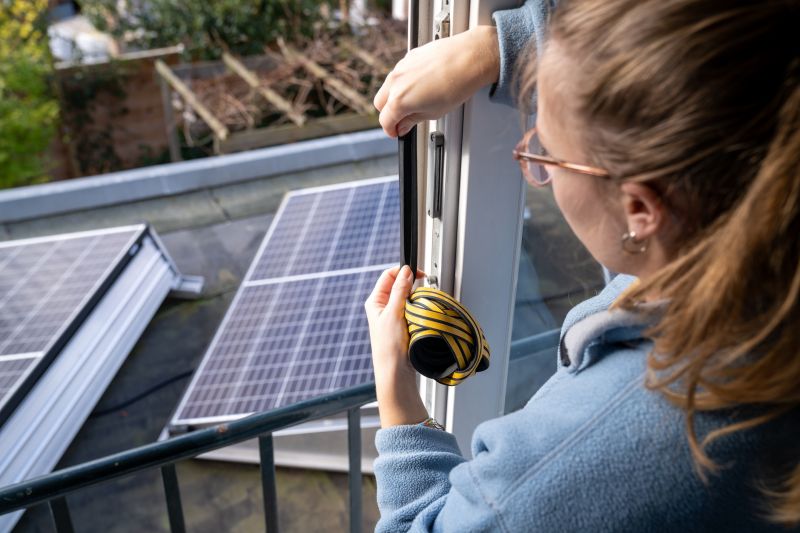
Spring is an ideal time for flashing replacements to prepare for upcoming weather changes.
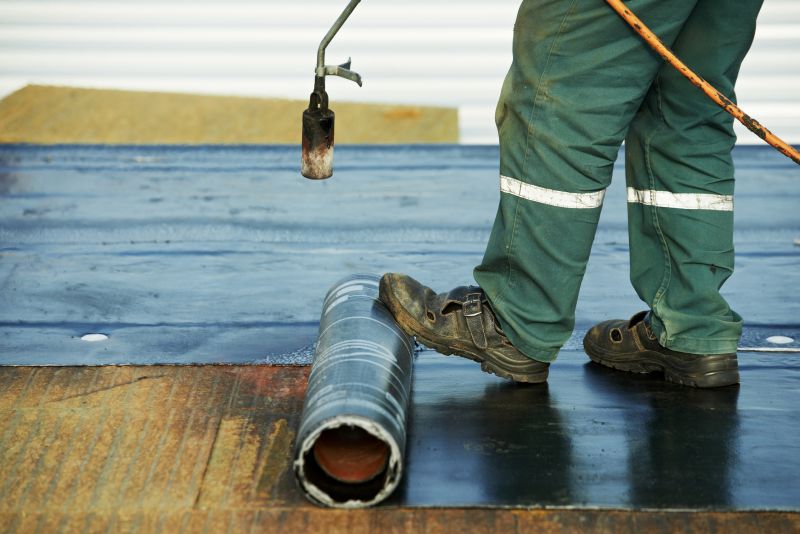
Performing flashing replacements in summer can prevent leaks during heavy rain.

Fall is suitable for addressing flashing issues before winter weather sets in.
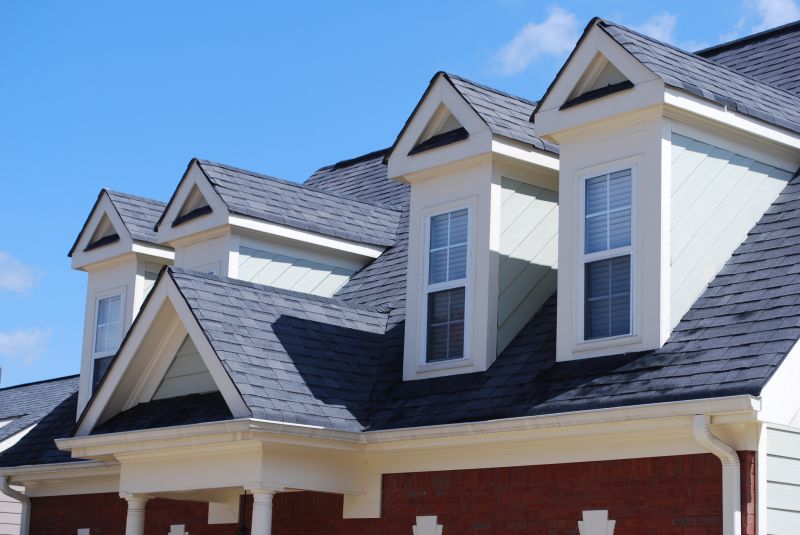
Ways to make Flashing Replacements work in tight or awkward layouts.
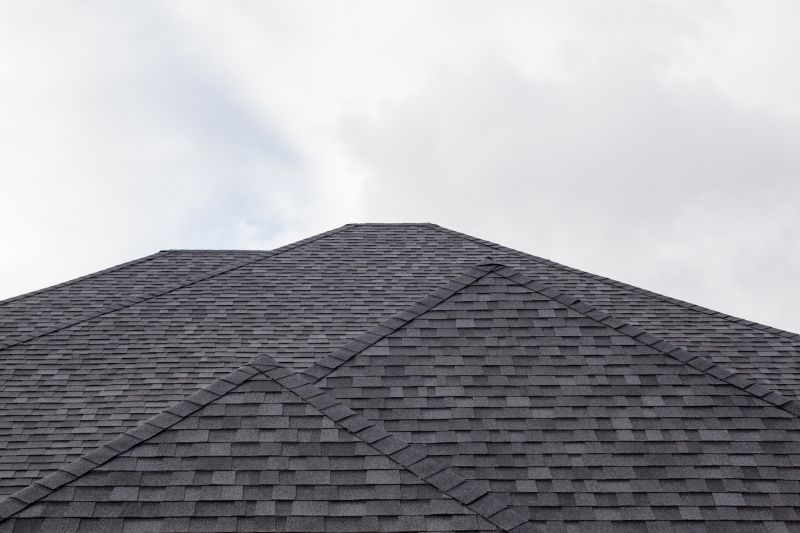
Popular materials for Flashing Replacements and why they hold up over time.
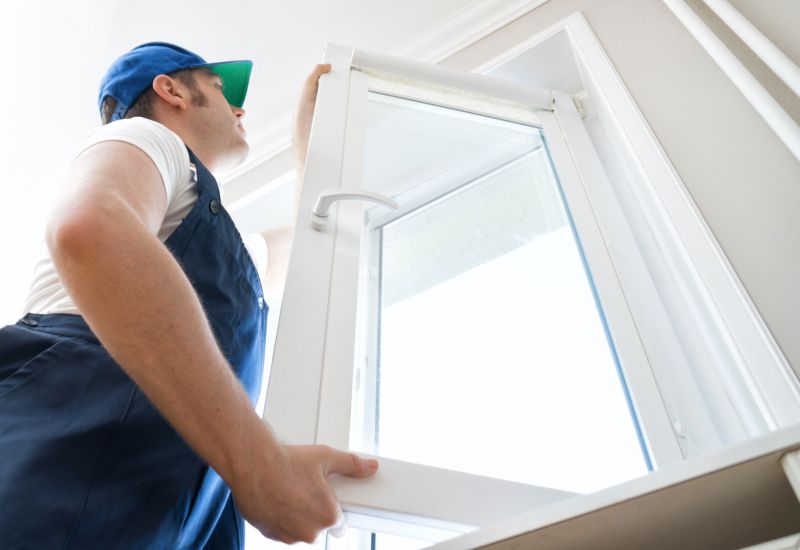
Simple add-ons that improve Flashing Replacements without blowing the budget.
High-end options that actually feel worth it for Flashing Replacements.
Finishes and colors that play nicely with Flashing Replacements.
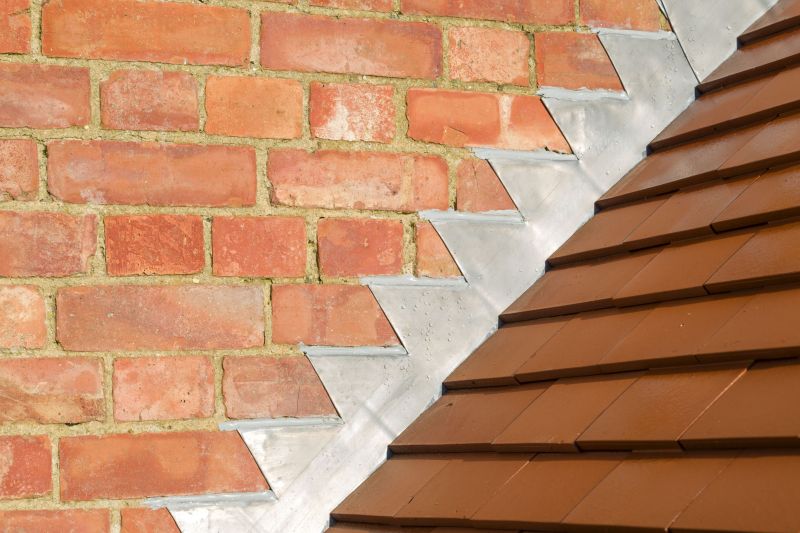
Flashing replacements are essential for maintaining the integrity of a building’s roof and preventing water intrusion. Properly installed flashing directs water away from critical areas such as joints, chimneys, vents, and skylights. Over time, flashing can deteriorate due to exposure to weather elements, leading to leaks and structural damage. Regular inspections and timely replacements can extend the lifespan of roofing systems and avoid costly repairs.
Look for rust, cracks, or loose flashing around roof penetrations.
Severe weather conditions accelerate flashing wear and tear.
Annual inspections can identify flashing issues early.
Different materials, such as aluminum or copper, have varying durability.
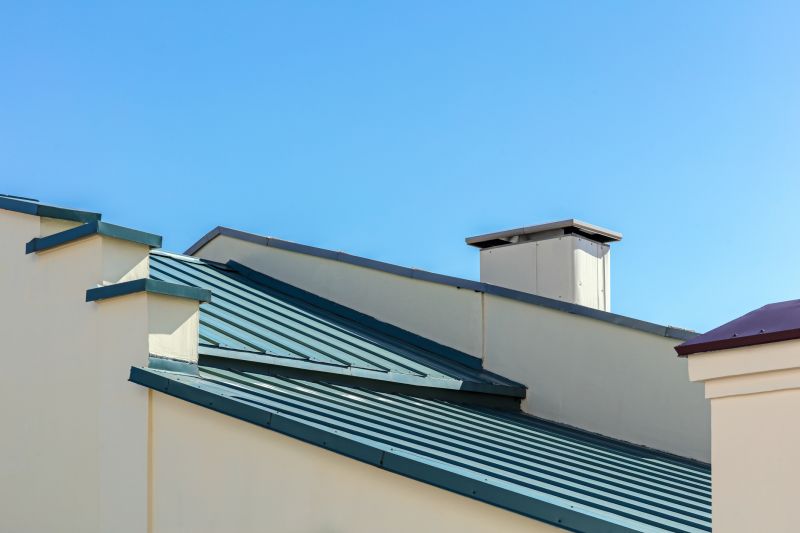
Corrosion and cracks compromise roof protection.
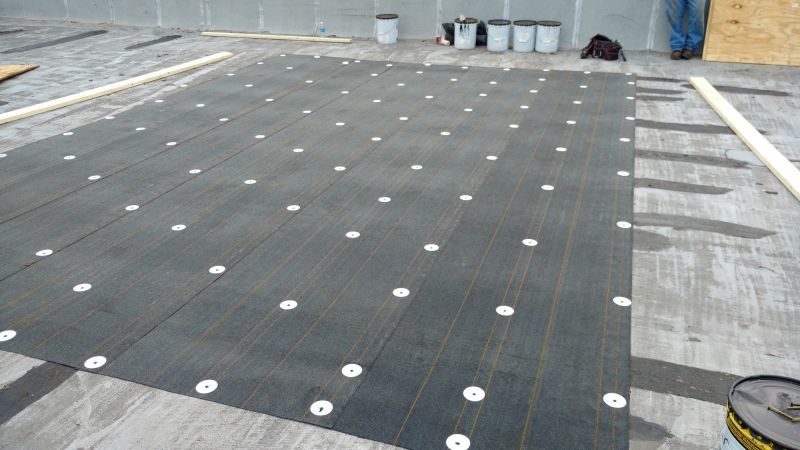
Replacing flashing involves removing old material and installing new with proper sealing.

Select durable materials suited for specific roofing needs.
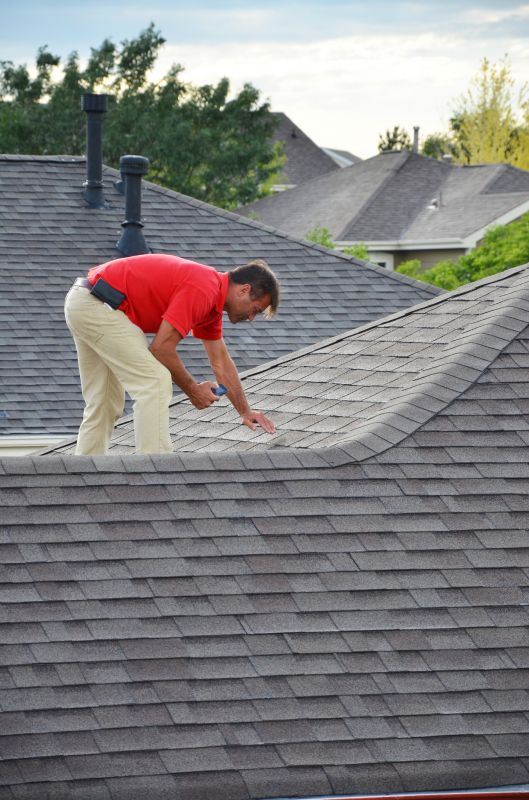
Use specialized tools to detect hidden damage.
Schedule replacements during dry weather for best results.
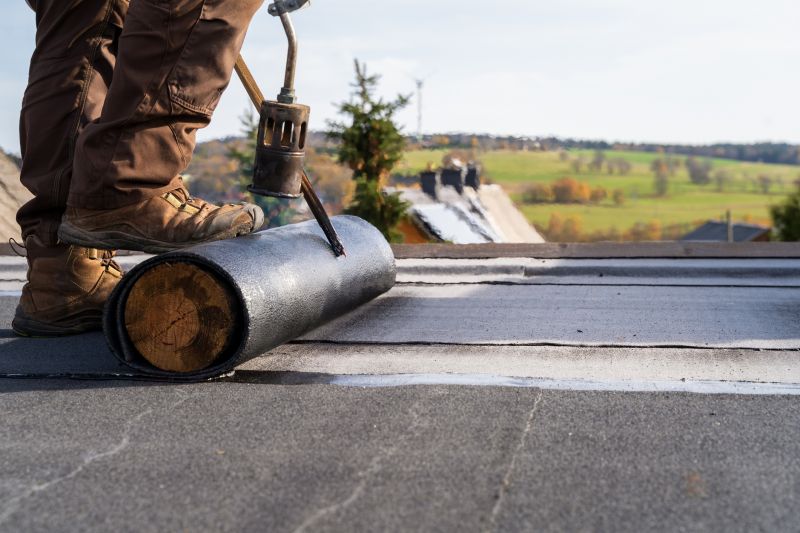
Qualified contractors ensure proper installation.
| Season | Best Practices |
|---|---|
| Spring | Inspect for damage after winter, replace if needed before heavy rains. |
| Summer | Perform repairs to prevent leaks during storms. |
| Fall | Check for deterioration before winter weather. |
| Winter | Avoid replacing flashing in freezing temperatures; wait for warmer months. |
| Year-round | Schedule regular inspections regardless of season. |
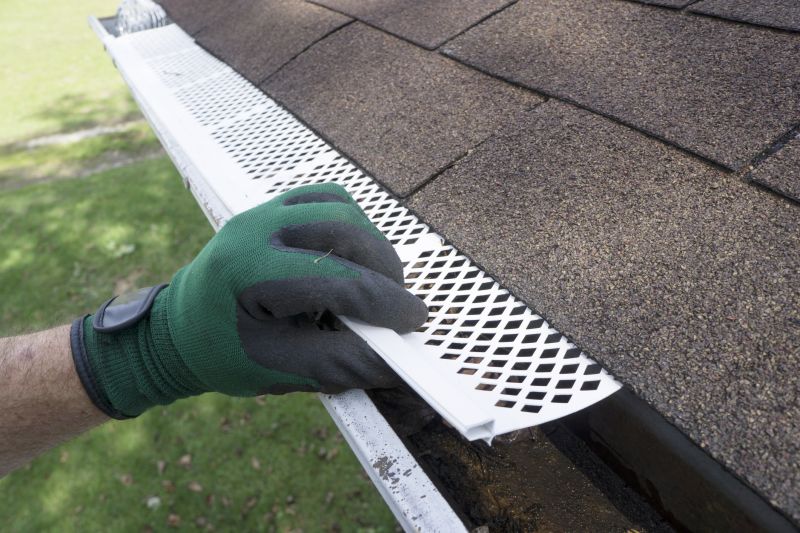
Properly installed flashing provides effective water diversion.
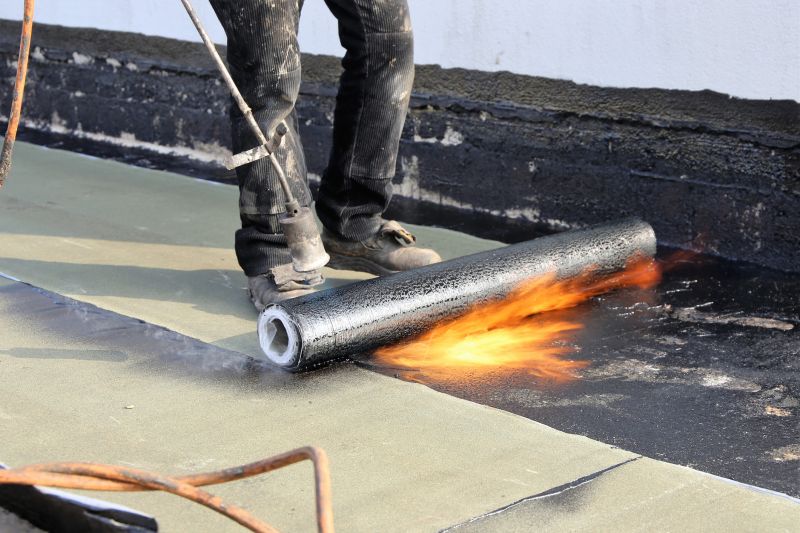
Replacing damaged flashing reduces risk of leaks.
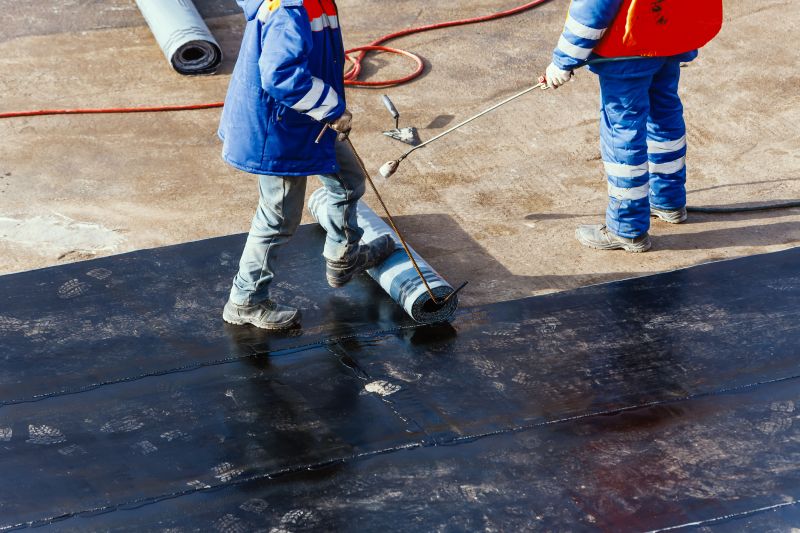
High-quality materials withstand weather exposure longer.
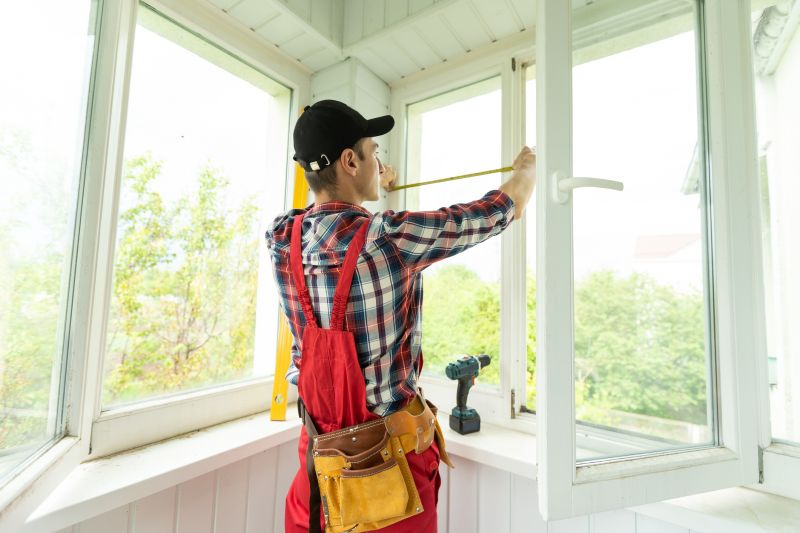
Use visual and thermal tools for thorough assessments.
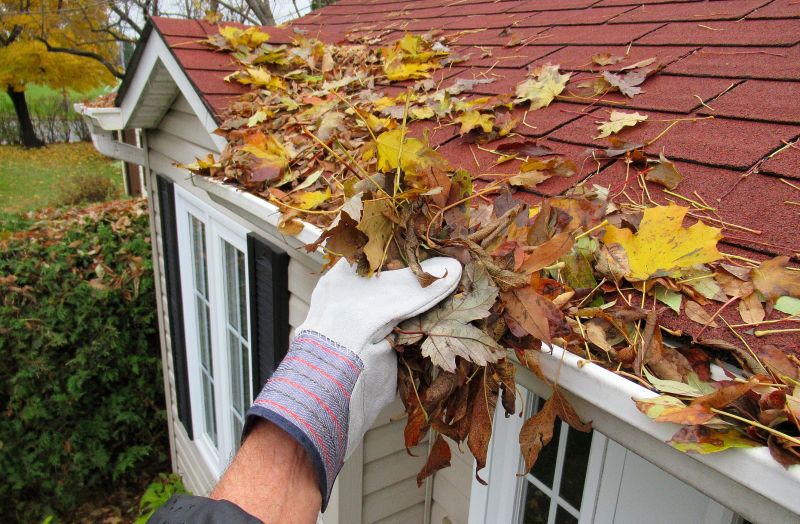
A 60-second routine that keeps Flashing Replacements looking new.
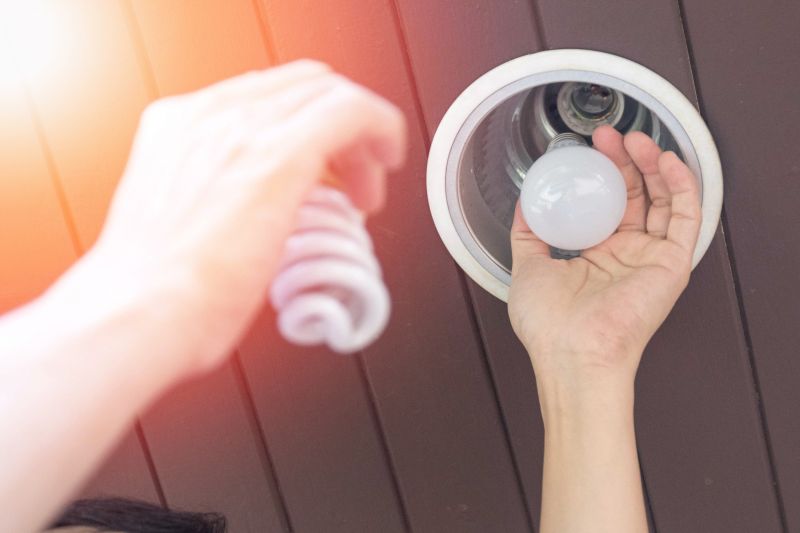
A frequent mistake in Flashing Replacements and how to dodge it.

Small tweaks to make Flashing Replacements safer and easier to use.
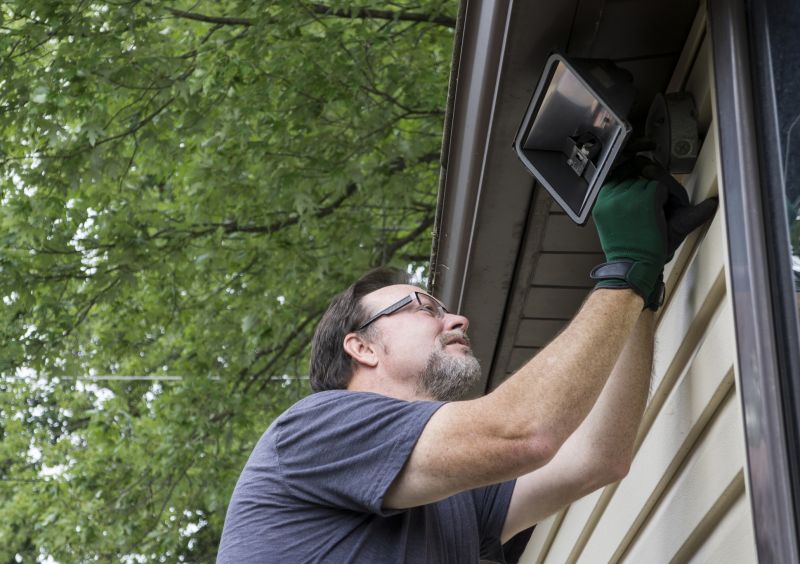
Lower-waste or water-saving choices for Flashing Replacements.
Interested in flashing replacements for a property? Filling out the contact form can initiate the process for a professional assessment and service. Proper timing and installation are key to ensuring long-term roof performance and protection against water intrusion.